What is the correct order to clean your house?
What is the correct order to clean your house?
The correct order to clean your house effectively involves a systematic approach. Begin in the top areas, such as dusting ceilings and light fixtures, then progress to surfaces like shelves and countertops. Next, clean windows and mirrors. Move to the floors, vacuuming or sweeping before mopping. In the kitchen, clean appliances followed by countertops and sinks. Lastly, tackle bathrooms, focusing on surfaces, toilets, and mirrors. Complete the process by organizing and decluttering throughout the house.
What is the correct order to clean your house?
The Importance of a Cleaning Order
When it comes to cleaning your home, following a systematic order can save you time, effort, and frustration. Many individuals face barriers like clutter, tight schedules, and feelings of overwhelm. Understanding the correct cleaning sequence helps to combat these challenges and allows for a more efficient and satisfying cleaning process.
Develop a Cleaning Plan
Before diving into the actual cleaning process, it’s critical to create a simple cleaning plan that maps out the areas and tasks to tackle. This plan will serve as your roadmap. Here’s how to create your cleaning plan:
- Assess the Space: Walk through each room and identify areas that need attention.
- Identify Major Tasks: Make a list of tasks such as dusting, vacuuming, mopping, and organizing.
- Set Timers: Use time blocking techniques to allocate specific times for each task.
- Gather Supplies: Ensure you have all necessary cleaning supplies handy to avoid interruptions.
Step 1: Begin with Decluttering
Decluttering is the foundation of effective cleaning. Tackling clutter can dramatically change the appearance of your home and make subsequent cleaning easier. Start in one room and work your way through. Here’s how to declutter efficiently:
- One Zone at a Time: Focus on one area (desk, countertop, or shelf) to prevent getting overwhelmed.
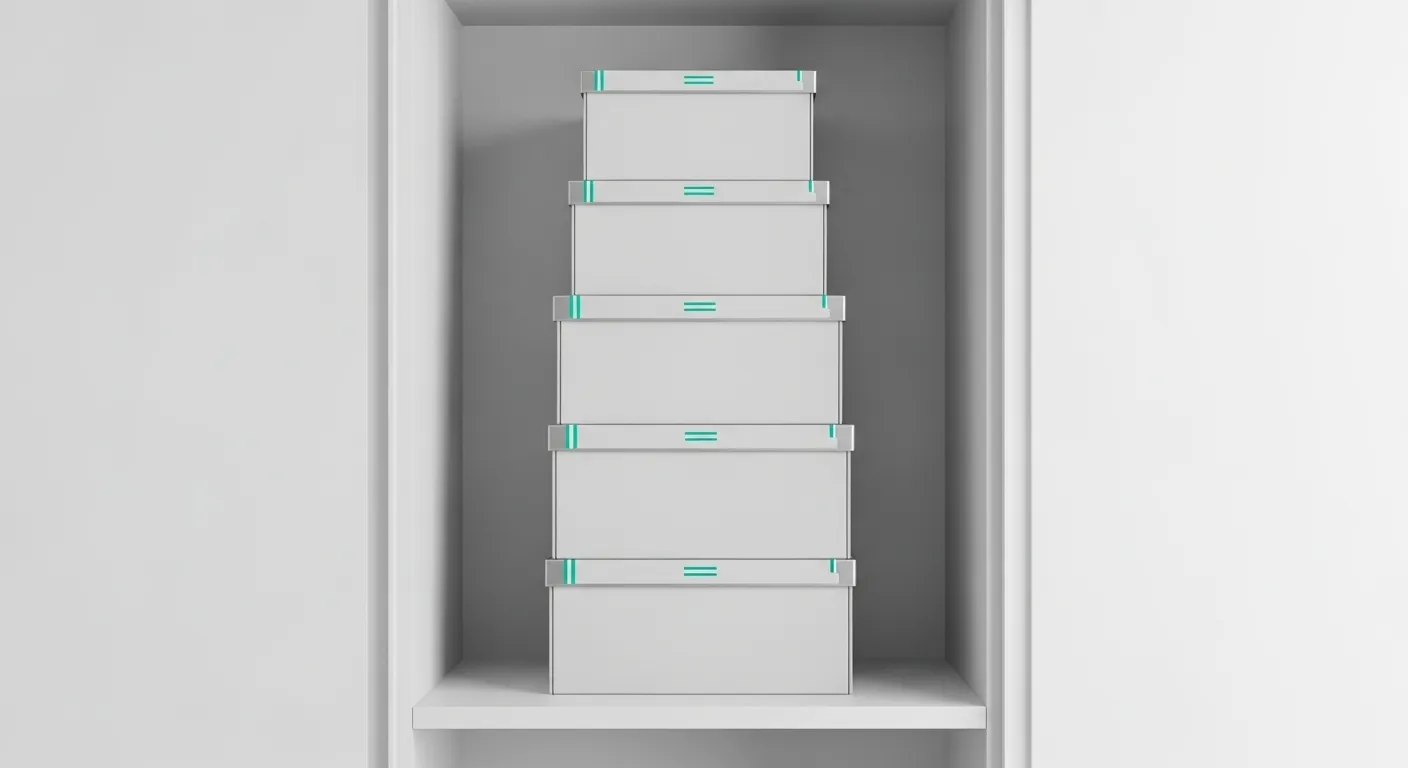
- Use the Four-Box Method: Label four boxes as “Keep,” “Donate,” “Trash,” and “Relocate.” This will help you categorize items quickly.
- Set a Timer: Work in short bursts (15-30 minutes) to maintain focus and motivation.
- Stay Committed: Aim to apply the decluttering process at least once a month to maintain order.
Step 2: Clean from Top to Bottom
Cleaning surfaces from the top down ensures that any dust or debris falls to the floor, allowing for a thorough cleaning without the need to repeat steps. Here’s a structured approach:
- Ceilings and Light Fixtures: Start with ceiling corners and light fixtures. Use a duster or microfiber cloth to rid these areas of accumulated dust.
- Walls and Baseboards: Wipe down walls as needed, focusing on spots that tend to get marked. Dust and clean baseboards to enhance overall cleanliness.
- Furniture: Move to furniture surfaces, dusting first followed by cleaning with appropriate solutions.
- Flooring: Finally, move to the floors. Vacuum carpets and rugs, and sweep or mop hard surfaces.
Step 3: Focus on High-Traffic Areas
Some spaces in your home see more activity than others. Pay special attention to these areas to maintain a clean environment. High-traffic zones typically include:
- Entryways: Clear clutter such as shoes and bags and wipe down surfaces regularly.
- Living Rooms: Dust electronics, clean upholstery, and pay attention to any pet hair.
- Bathrooms: Scrub sinks, counters, and toilets while also removing any dirt or grime from faucets.
- Kitchen: Focus on countertops, the stove, and the sink area to keep them free from food residue.
Step 4: Tackle Specific Tasks Room by Room
Cleaning tasks can be more manageable if addressed room by room. Here is a breakdown of how to approach each primary room in your home:
Living Room:
- Dust Off Surfaces: Start with shelves, coffee tables, and TV stands.
- Vacuum or Sweep: Ensure all flooring is clean and consider spot-cleaning upholstery.
- Organize Seating Areas: Arrange cushions and throws neatly.
Kitchen:
- Wipe Down Appliances: Clean the exterior of the fridge, microwave, and oven.
- Sanitize Countertops: Use a suitable cleaner to eliminate bacteria.
- Clean Out the Fridge: Dispose of expired items and wipe shelves.
Bathroom:
- Scrub the Toilet: Use a toilet cleaner to ensure hygiene.
- Clean Sinks and Showers: Focus on soap scum and toothpaste spots.
- Change Towels and Mats: Replace used towels with fresh ones and wash bath mats.
Bedrooms:
- Make the Bed: Start the room off on a tidy note.
- Dust Surfaces: Clean nightstands, dressers, and shelves.
- Organize Closets: Ensure clothes are arranged and shoes are in place.
Step 5: Implement a Cleaning Routine
Creating a consistent cleaning routine prevents future overwhelm and keeps your home neat. Consider adopting a rhythm that works with your schedule:
- Daily Tasks: Incorporate tasks like making beds and cleaning kitchen surfaces into your morning routine.
- Weekly Tasks: Designate specific days for deeper cleaning tasks such as bathroom scrubs or mopping floors.
- Monthly Maintenance: Schedule month-end tasks like closet organization or decluttering areas that have accumulated items over time.
Step 6: Enlist Help if Needed
Cleaning can be a solo journey, but it doesn’t have to be. If you’re feeling particularly overwhelmed, consider these options:
- Family Involvement: Enlist your family’s help for quicker results. Assign age-appropriate chores to children.
- Hire Professional Help: Occasionally hiring a cleaning service can give you a refreshing start when the clutter feels unmanageable.
- Buddy System: Join forces with a friend for moral support and motivation while cleaning your spaces.
Final Touches: Add a Few Comforts
Once the cleaning is complete, consider adding small comforts to your spaces:
- Fresh Flowers: A vase of fresh flowers can brighten any room.
- Aromas: Use scented candles or essential oils to create a calming environment.
- Organizational Tools: Invest in storage solutions like baskets and bins to help maintain order.
By following these structured steps, you will not only achieve a cleaner home but also create an environment that fosters relaxation and reduces stress. Remember, consistency is key. By incorporating cleaning as part of your routine, the task will become more manageable and less overwhelming. Your home can be a sanctuary of peace and simplicity, and taking that first step towards order will set you on the path to efficient living.

Related Articles
Our Categories:
-
⭐ Organization & Practical Living: Seu guia fundamental para criar um lar funcional, implementar sistemas de eficiência e construir uma vida cotidiana mais organizada e livre de estresse.
-
🏠 Home Organization: Guias fundamentais e planos sistemáticos para organizar cada cômodo, garantindo um layout de casa eficiente e livre de desordem.
-
✨ Decluttering Tips: Estratégias acionáveis, conselhos de especialistas e métodos passo a passo para simplificar seu espaço, reduzir pertences e manter uma mentalidade minimalista.
-
🧼 Cleaning Routines: Checklists eficientes, truques de limpeza rápida e recomendações de produtos sustentáveis para manter uma casa limpa e brilhante sem estresse.
-
📦 Storage Solutions: Ideias criativas e práticas para maximizar cada centímetro de espaço, utilizando armazenamento vertical e investindo em recipientes inteligentes e funcionais.
-
🗺️ Room By Room Guides: Tutoriais detalhados e específicos, e checklists para organização profunda e estilo de áreas individuais como cozinha, quarto e hall de entrada.
-
💡 Daily Life Hacks: Dicas rápidas e inteligentes, e ajustes simples na rotina diária que economizam tempo, aumentam a energia e tornam a vida cotidiana mais fácil de gerenciar.
-
⏳ Time Management Basics: Métodos simples e técnicas fundamentais para planejar, priorizar tarefas, definir metas e implementar o time-blocking para maximizar a produtividade.
-
✅ Checklists And Planners: Modelos para impressão, ferramentas e sistemas para planejar refeições, manutenção doméstica, mudança e rastreamento de tarefas para manter a vida funcionando perfeitamente.

What is the Correct Order to Clean Your House?
Cleaning your house effectively can make a significant difference in your daily life, helping you maintain a welcoming and healthy environment. Many people wonder about the most efficient way to tackle household chores without feeling overwhelmed. The right cleaning order is crucial in saving time, especially for busy individuals searching for practical solutions. In this guide, we will share the optimal cleaning sequence, ensuring every corner of your home shines and feels inviting.
Cleaning Order Explained
Here’s a simple and effective cleaning order to follow:
- Start High, Finish Low: Begin with dusting surfaces, shelves, and light fixtures.
- Clean Windows: Wipe down mirrors and windows.
- Move to the Kitchen: Clean countertops, sinks, and appliances.
- Bathrooms Next: Scrub sinks, toilets, and showers.
- Living Areas: Vacuum or sweep floors and arrange furniture.
- Bedrooms Last: Change bed linens and dust furniture.
Conclusion
Cleaning your house does not have to be a daunting task. By following the correct order, you can streamline the process and ensure that your living space remains organized and well-maintained. Remember to prioritize high-traffic areas and tackle one room at a time. Consider investing in quality cleaning products that can make the job easier and more effective. A clean home not only looks great but helps improve your overall quality of life and can enhance your home’s value, making it a worthy investment.
FAQs
1. What is the best order to clean your house?
Begin from the top down: dust, then clean windows, followed by kitchen, bathrooms, living areas, and bedrooms.
2. How often should I clean my house?
A weekly routine for high-traffic areas and monthly deep cleans for less frequented spaces is recommended.
3. Should I clean before organizing?
Yes, cleaning first helps remove dust and debris, making it easier to organize items effectively.
4. What cleaning products should I use?
Use multi-surface cleaners, disinfectants, and specific products for glass, wood, and floors for best results.
5. How can I clean quickly?
Use a timer, focus on high-impact areas, and have all your supplies ready to minimize downtime.
6. Is it better to clean alone or with family?
Cleaning with family can make the process faster and more enjoyable, while alone allows for focused effort.
7. How should I tackle deep cleaning?
Schedule deep cleans quarterly and create a checklist covering neglected areas such as behind appliances.
8. What is the easiest way to dust?
Use microfiber cloths or dusters designed to trap dust rather than push it around.
9. Do I need to vacuum or sweep first?
Vacuuming is typically more effective, as it captures dirt that sweeping may leave behind.
10. Can I hire a cleaning service?
Yes, hiring professionals can save you time and ensure a deep clean, especially for busy households.
11. How do I make my cleaning routine sustainable?
Use eco-friendly products and reduce waste by opting for reusable cloths and containers.
12. How do I keep my house clean longer?
Establish daily tidying habits, such as putting things away immediately and doing light cleaning regularly.
13. Should I clean during the day or night?
Cleaning during the day allows for better visibility and can be more energizing without feeling rushed.
14. What’s a good cleaning schedule?
Assign different tasks for each day of the week to maintain balance and reduce overwhelm.
15. How do I handle clutter before cleaning?
Go room by room, decluttering as you clean; consider a ‘keep, toss, donate’ system to simplify decisions.